Why Wisconsin? Summer Edition
By Maggie Ginsberg, Division of the Arts
In the second installment of our Why Wisconsin? arts series, we asked four UW–Madison faculty members what they’re thinking about as summer ends and a new academic year begins.
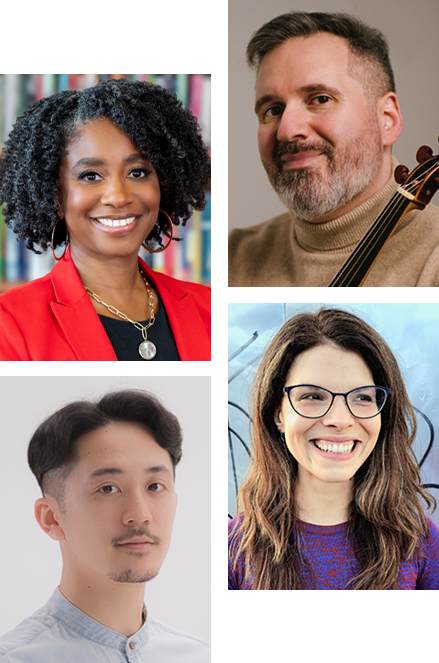
Marcelle Haddix
Karen A. Falk Distinguished Chair of Education and Dean of the School of Education
When Milwaukee-raised Marcelle Haddix became dean of the No. 1-ranked UW–Madison School of Education in 2024, it felt like coming home — her parents met as Badgers, and she was born here.
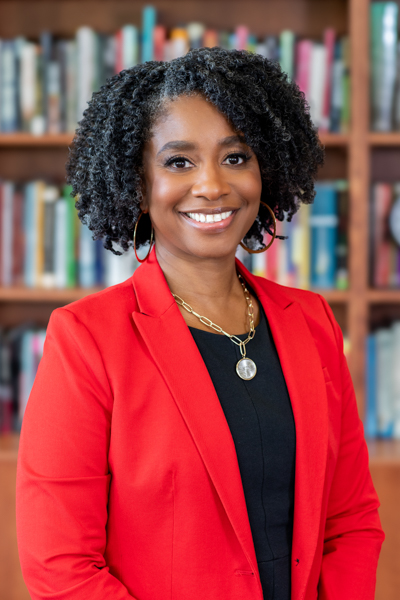
“I was also drawn to our School of Education’s breadth across the arts, health and education,” says Haddix. “I love to be in spaces with people who are change agents, people who want to problem-solve, innovate, ideate, and create, and I’m honored to be part of a diverse community of scholars and leaders who come together to solve some of the world’s most pressing problems.”
While Haddix enjoys summer in Madison for Concerts on the Square and Dane Dances, she finds plenty of year-round arts opportunities right here on campus. The School of Education is home to the UW Art Department, the Department of Theatre & Drama, and the 100-year-old Dance Department, the first academic dance program in the nation. Haddix gets excited about cross-departmental collaborations like April’s Climate Change Theatre Action event, and she attends performances, concerts and exhibitions on a weekly basis — not just to support students, but also because it is a deep personal passion.
“While my scholarly expertise is in literacy and teacher education, with a particular focus on the experiences of students and teachers of color, I am a creative. I love to write, to dance, and to express myself in creative ways,” Haddix says. “I think taking an arts course can unlock a different part of your brain and open you up. Figuring out how to channel and convey our unique brands of expression and creativity is a powerful thing, and can help us grow both personally and professionally.”
Bradford Chin
Assistant Professor, Dance Department
Bradford Chin’s disability-centered dance work is unique. In fact, Chin’s new arts accessibility course launching in Spring 2027 — Dance 371, Audio Description: Accessibility for Dance, Arts, & Media — is the first of its kind in the country. Unique work requires a unique environment, and after a nationwide search, Chin found the right fit in the storied UW Dance Department in 2025.
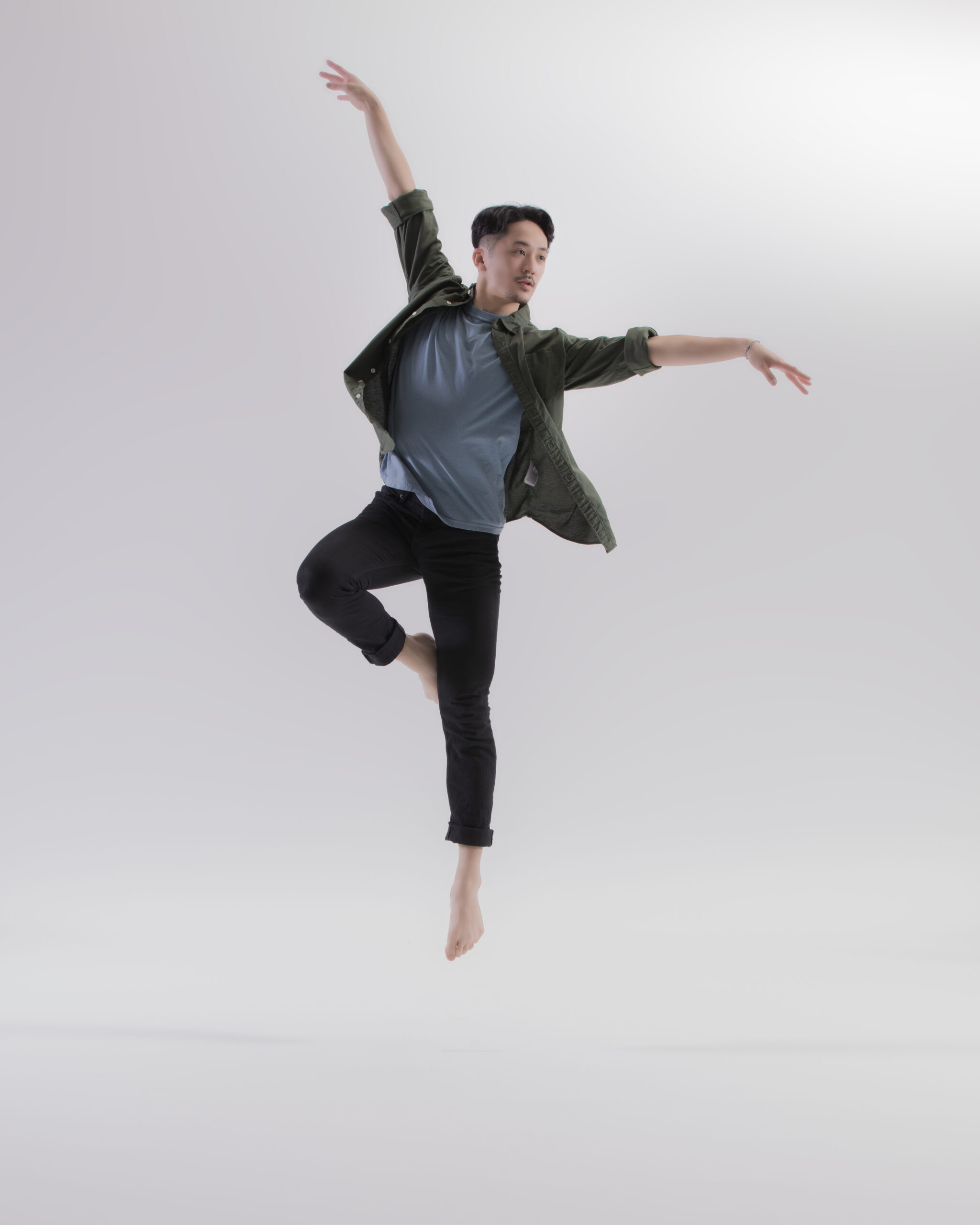
“From the moment I set foot in my department during my campus visit, my colleagues immediately transformed ‘I actually really want this job’ into ‘I belong at Wisconsin,’” Chin says. “They are so supportive, generous, and forward-thinking. In most other institutions, my research pathway and teaching assignments would be much more prescribed. But here I feel so supported to pursue new forms of research and new courses that allow me to uniquely impact our students and our field.”
Chin spent part of summer on a research trip, but is now preparing for an exciting production this fall: a student restaging of 2022’s “Sunrise: A case study in movement scores and Disability Justice.” Chin’s UW Dance students have also been invited, pending funding, to perform the restaging at XDance Festival, a biennial international disability dance festival in Finland in May 2027.
“I hope that any student who takes my courses leaves with a better understanding of how the arts and disability teach us to better care for ourselves and our communities,” Chin says. “To hold both joy and grief in surviving the present darkness, and actively shape the current world toward the future we want.”
Sarah Ann Wells
Professor of Literary Studies, English Department; Director, Center for Visual Culture and Performance Studies
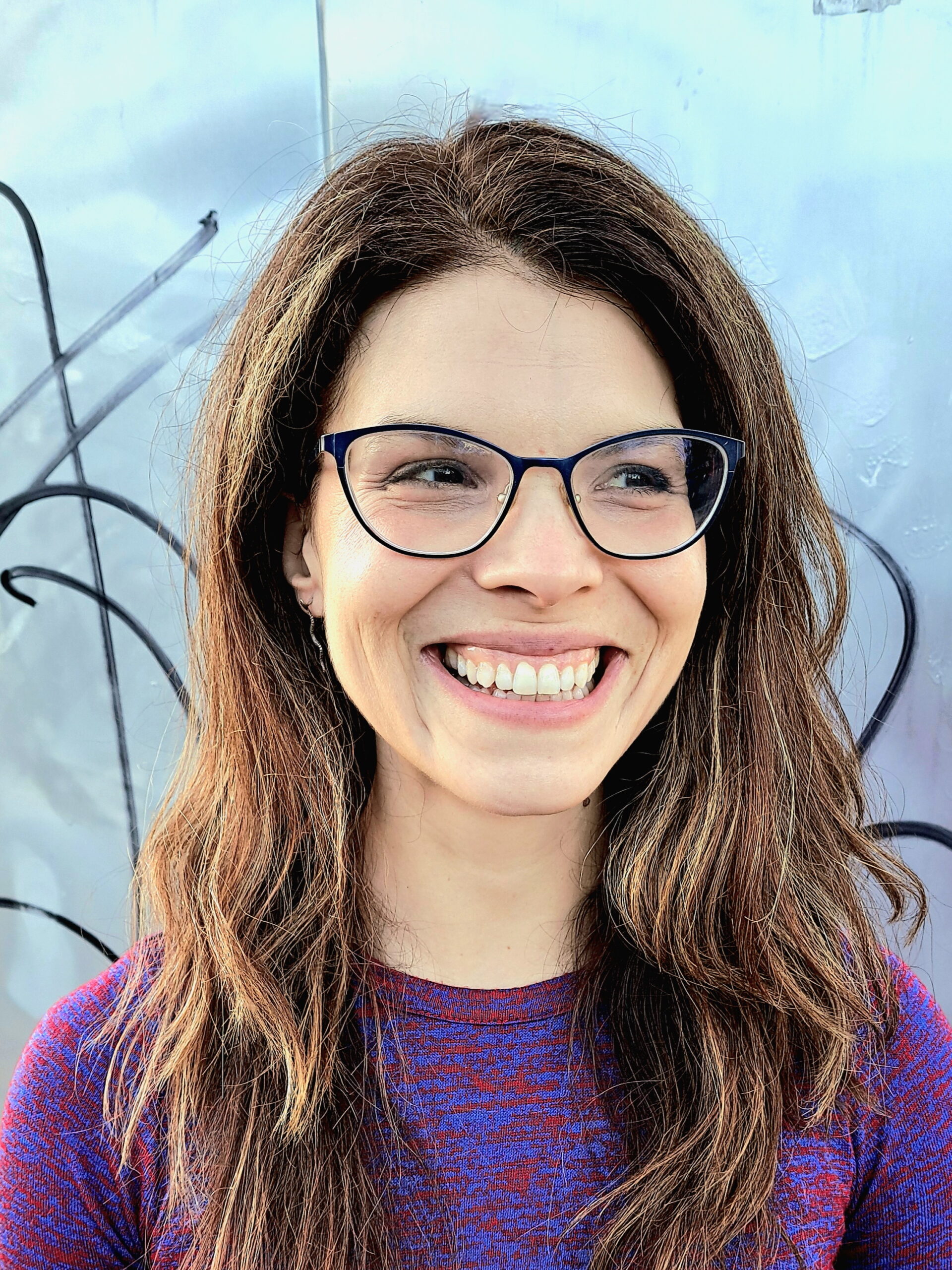
It’s been 12 years since Sarah Ann Wells joined the UW–Madison faculty, drawn to its world-class reputation as a major public university and its strengths in Latin American studies, cinema and media studies, and literary studies. Wells lectures in both English and Art History, and last year she became director of the Center for Visual Culture and Performance Studies — the perfect interdisciplinary and public-facing mix of her interests.
“For 25 years, CVCPS has been a site of unprecedented innovation, where scholars and artists, graduate students and faculty, work together to explore in innovative ways major ideas in our world,” says Wells.
As she closes out the summer, she’s looking forward to adding two new courses to a stacked academic year: Fall’s “Brazil, in Theory,” and Spring’s “Translationships,” which is part of her new role as associate editor for the Wisconsin Prize for Poetry in Translation.
“My courses are quite popular with STEM students in particular because I combine ‘outlandish’ content (science fiction, surrealism, experimental art and film) that energizes us with very clear guidelines and expectations for what it means to think, speak, read, and write critically,” says Wells. “Students want to think through big ideas under clear parameters and in small-group settings, and I really enjoy thinking with them, especially as our world is changing so quickly.”
That philosophy slots nicely with CVCPS’s 2026-27 line-up of visiting artists and scholars. This year’s theme is “Hallucination,” and includes its first invited musician (experimental artist Lea Bertucci) and Guggenheim Fellow visual artist Itziar Barrio, among others.
“We are all craving person-to-person and collective experiences,” says Wells. “The arts and humanities provide singular scenarios to think through and experience with others.”
Edward Klorman
Professor of Music Theory, Mead Witter School of Music
Some traditions should never change — take summer on the Memorial Union Terrace, for example, something New York state native Edward Klorman already knew about because his father and sister both studied at UW–Madison. But when Klorman started at the Mead Witter School of Music in the summer of 2025, he spent part of his first academic year challenging traditions of another kind.
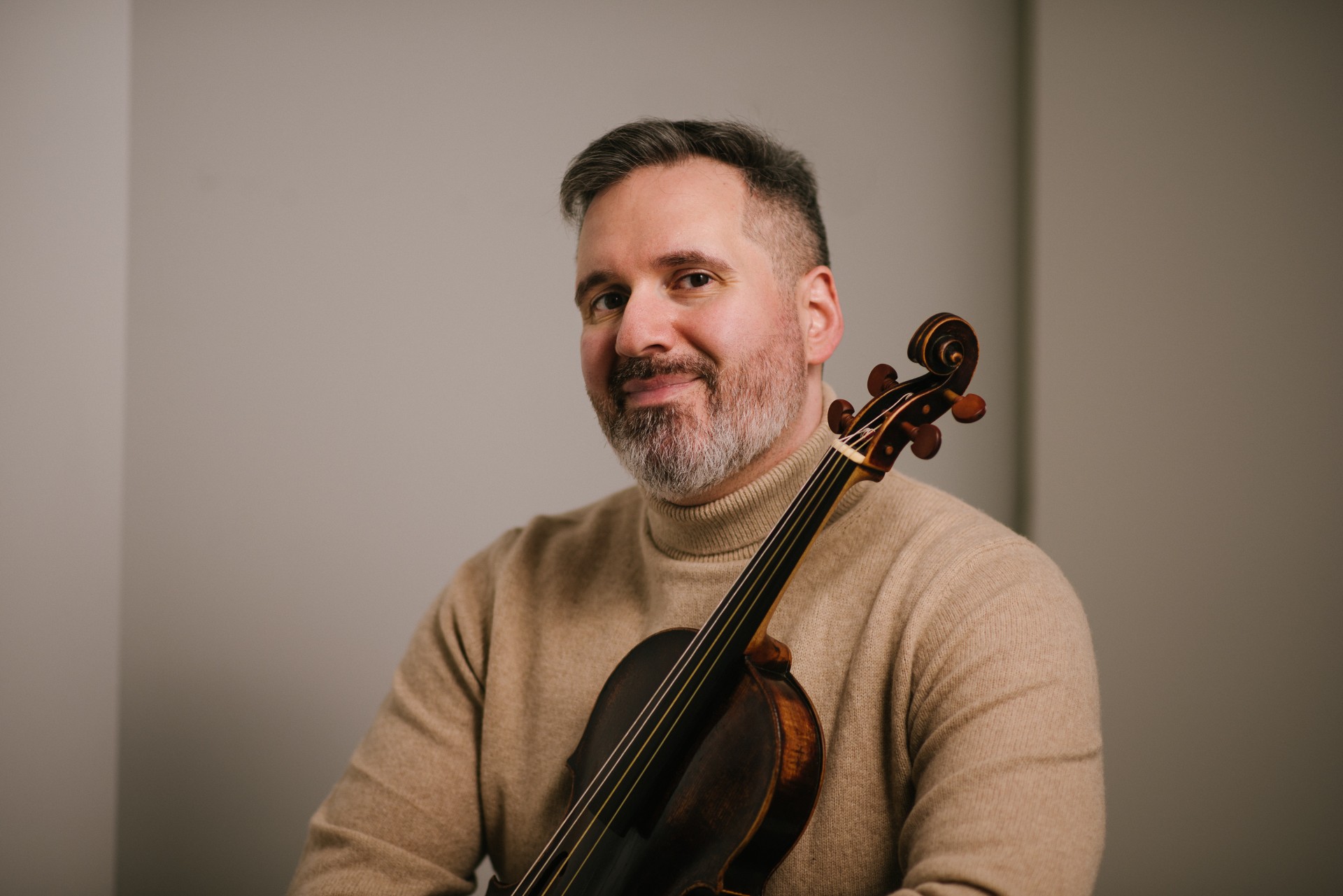
“I taught a seminar on music by women composers,” says the accomplished violist, author and researcher. “It put me in the position of teaching a lot of music that was newer to me and that I was learning along with my students, who were wonderfully open, and offered us all an opportunity to reflect on why the Western classical canon is so heavily male and German.”
Now Klorman and his colleagues are rethinking the music theory curriculum, and how they might reinforce traditional strengths while broadening the range. More than half of the music school’s undergraduates are double majors — “brilliant, sophisticated thinkers who excel in a wide range of disciplines,” Klorman says — and students and faculty present more than 350 concerts and recitals each year at the Hamel Music Center. Klorman has also made connections outside of the School of Music, both for his artistic pursuits and when he got to participate in this year’s annual weeklong, 900-mile Wisconsin Idea Seminar journey.
“Being part of a major research university, it’s been wonderful to make connections with faculty across disciplines, and to have deep exchanges with diverse communities across Wisconsin,” says Klorman. “UW is a wonderful place to be because my colleagues and students are so collaborative and collegial, which promotes a sense of community.”